
Residents of the Tisdale area are eager for additional details regarding the significant alumina discovery revealed in January 2026 by the Saskatchewan government alongside Canadian Energy Metals (CEM).
According to CEM, about one-third of the global known alumina supply, an essential metal for aluminum production, lies beneath the agricultural land north of Tisdale, a small town situated approximately 220 km northeast of Saskatoon.
Members of the community seek clarification on how potential mining operations at CEM’s “Thor Project” could influence the local economy.
Francis Gress, a landowner in the vicinity of the deposit, expressed his concerns, stating, “I only hear rumors.” He believes the mining activities would have a significant impact on his family.
“It could support community growth and development, and hopefully encourage young individuals to remain here,” he added.
Josh Kowal mentioned that he hasn’t received any updates since the January announcement and is curious if the company is seeking investors.
“It would definitely change the entire region. It would bring substantial economic opportunities and create jobs,” he noted.
Ardith Brace is contemplating how citizens can prepare for mining activities.
“I joked that we’re all going to be wealthy and everyone should buy a new house in town,” she said. “For those investing, I believe they should receive more information.”
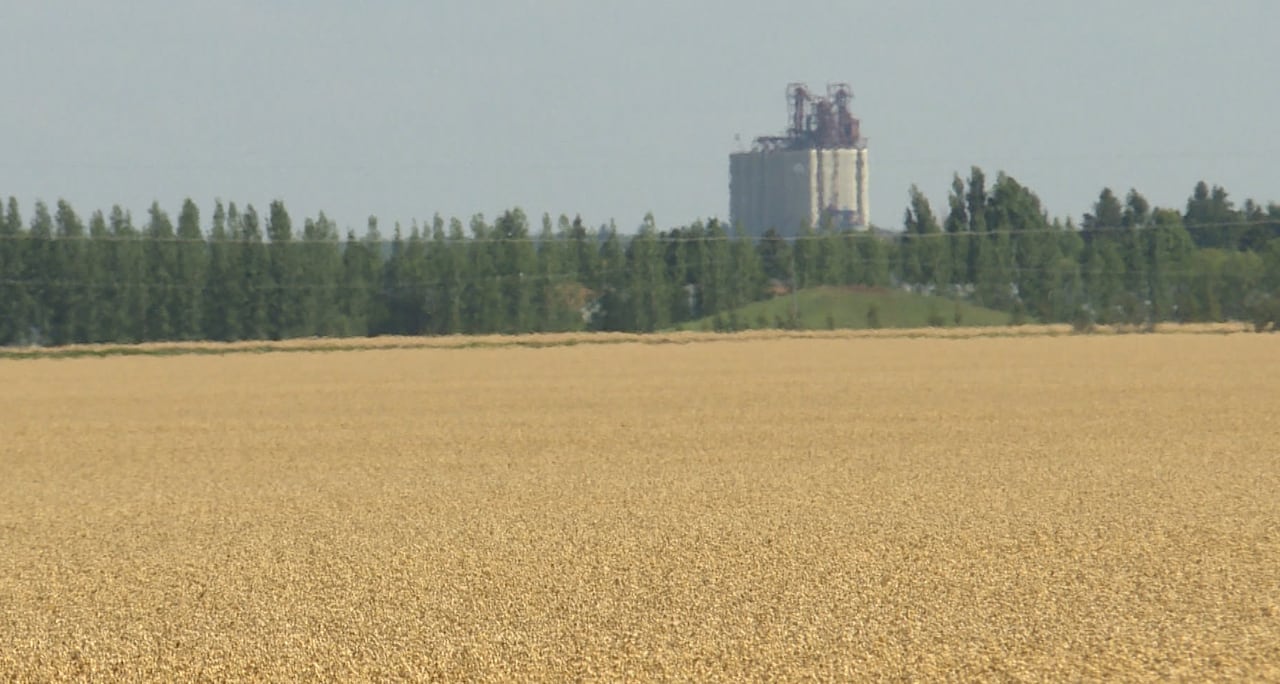
Canadian Energy Metals estimates that approximately one-third of the world’s known supply of alumina is in the earth below farmland north of Tisdale, Sask. (Lisa Risom/CBC)
What is the project timeline?
Currently, the Thor Project is in its initial development phase.
CEO Christopher Hopkins stated that CEM plans to eventually acquire surface rights from landowners to initiate open-pit mining operations at multiple sites.
The timeline remains uncertain, as development is likely to require collaboration with major companies in the aluminum industry.
Ongoing exploration efforts are taking place. The company drilled its first test holes in the Tisdale region in June 2022 and continues to investigate the extensive deposit. This spring, they drilled an additional 12 holes, increasing the total to 169 sites.
A pre-feasibility study’s findings are anticipated in the first quarter of 2027.
Afterward, the company plans to construct a demonstration facility in Tisdale, with operations expected to commence in 2029 or 2030. CEM intends to use the demonstration plant for research and to optimize the alumina processing before moving to commercial production.
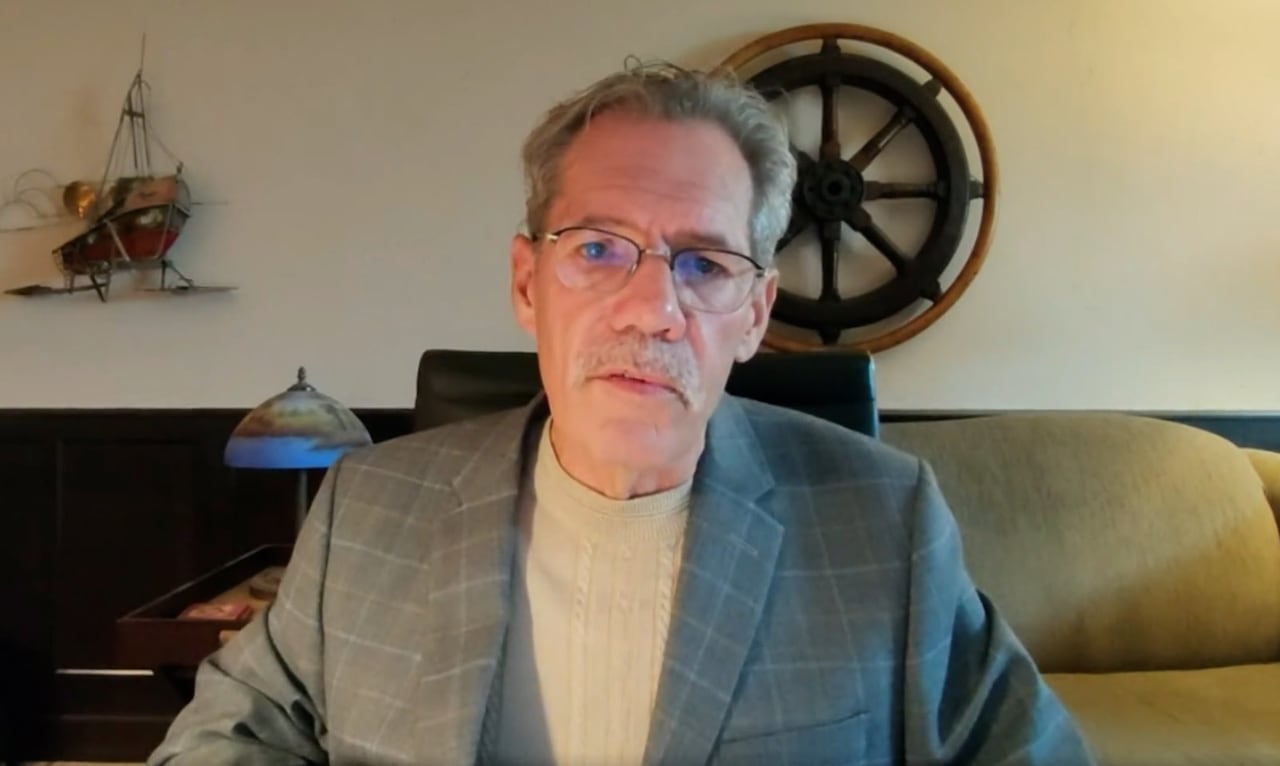
Canadian Energy Metals CEO Chris Hopkins said the company will eventually move to acquire surface rights from Tisdale area land owners for open-pit mines. (Lisa Risom/CBC)
Minimizing dependence on external markets
At present, North America imports bauxite, a form of sedimentary rock containing alumina, or the alumina itself, and then refines it to produce aluminum.
Hopkins mentioned that the Tisdale alumina deposit has the potential to reduce North America’s dependence on foreign countries and enhance stability in the aluminum market.
“This would represent the first chance to create a fully integrated aluminum supply chain on the continent. Aluminum is currently a highly sought-after metal,” Hopkins stated.
The deposit is part of the Pasquia Hills oil shales, consisting of polymetallic black shale located about 25 to 30 metres underground, extending down another 90 metres or so.
The company’s drilling efforts have covered an area of 625 square kilometers, approximately between Star City and Zenon Park.
So far, a high-confidence estimate indicates it contains 6.8 billion tonnes of alumina within 49.5 billion tonnes of polymetallic black shale, as per the company’s claims.
“It’s enormous, and the more drilling we conduct, the larger it appears,” said Hopkins.
Black shale
Alumina typically derives from bauxite, which differs from the black shale present at the Tisdale site. The extraction of alumina requires significant energy and water and generates environmental waste known as “red mud.”
The process for extracting black shale is distinct. CEM is collaborating with the Saskatchewan Research Council and Hatch Ltd. to create methods for extracting alumina from the black shale. Laboratories in Ontario, Australia, and the United States are also participating.
Acids would be used to leach alumina from the ore, with 98 percent of it being recycled in the process, thus minimizing environmental impact.
“Water is not utilized at all in the extraction process. There will be no tailings or toxic waste generated. Our energy consumption would be minimized. Environmentally, this would yield the first genuinely green alumina,” Hopkins stated.
CEM reported that in 2025, it successfully produced high-purity alumina and chemical-grade alumina from the shale ore at its pilot facilities. High-purity alumina is utilized in LED manufacturing, while chemical-grade alumina has countless applications.
“Now we are working to close the loop by demonstrating our capability to produce the metal from the alumina,” Hopkins said.
If successful, CEM would establish the world’s first commercial aluminum plant based on alumina sourced from black shale.
For the moment, CEM is concentrating on alumina extraction. However, other rare earth elements—such as lithium, vanadium (used to enhance iron), and scandium (a metal employed in aerospace and military applications)—have also been discovered in the shale, and there are plans to mine them as well.
Hundreds of potential jobs
CEM has enlisted Hatch Ltd. to conduct hydrometallurgical testing to process and extract metals. Stantec Engineering is undertaking resource evaluations, mine planning, and environmental assessments.
Hopkins anticipates that with a demonstration facility, mining, processing, and smelting operations could commence on a small scale, potentially employing a few hundred people.
Sean Wallace, managing director of Invest Tisdale, which aims to promote economic growth in the region, stated his organization will support mining and smelting operations when the time is right, but he believes this could be a decade away.
“Unfortunately, we currently lack substantial information regarding the number of jobs that will be available at the mine, making predictions difficult,” he remarked.
“Around the five-year mark is when we will start to seriously assess how much housing will be necessary and what the supply chain companies will look like.”
Wallace mentioned that Invest Tisdale plans to conduct a community readiness assessment to identify housing, infrastructure, and service requirements once more details are available from CEM.
Tisdale and its surrounding RM have a combined population of nearly 3,900 residents. The local economy is primarily driven by agriculture and inland grain terminals.
Wallace believes the region is well-equipped to manage an increase in industrial traffic. The town features major grocery stores, hotels, restaurants, heavy equipment dealers, and mechanics.
Additionally, there is regional infrastructure to support the mining industry, including hydroelectric power, natural gas, two railroads, and two major highways.
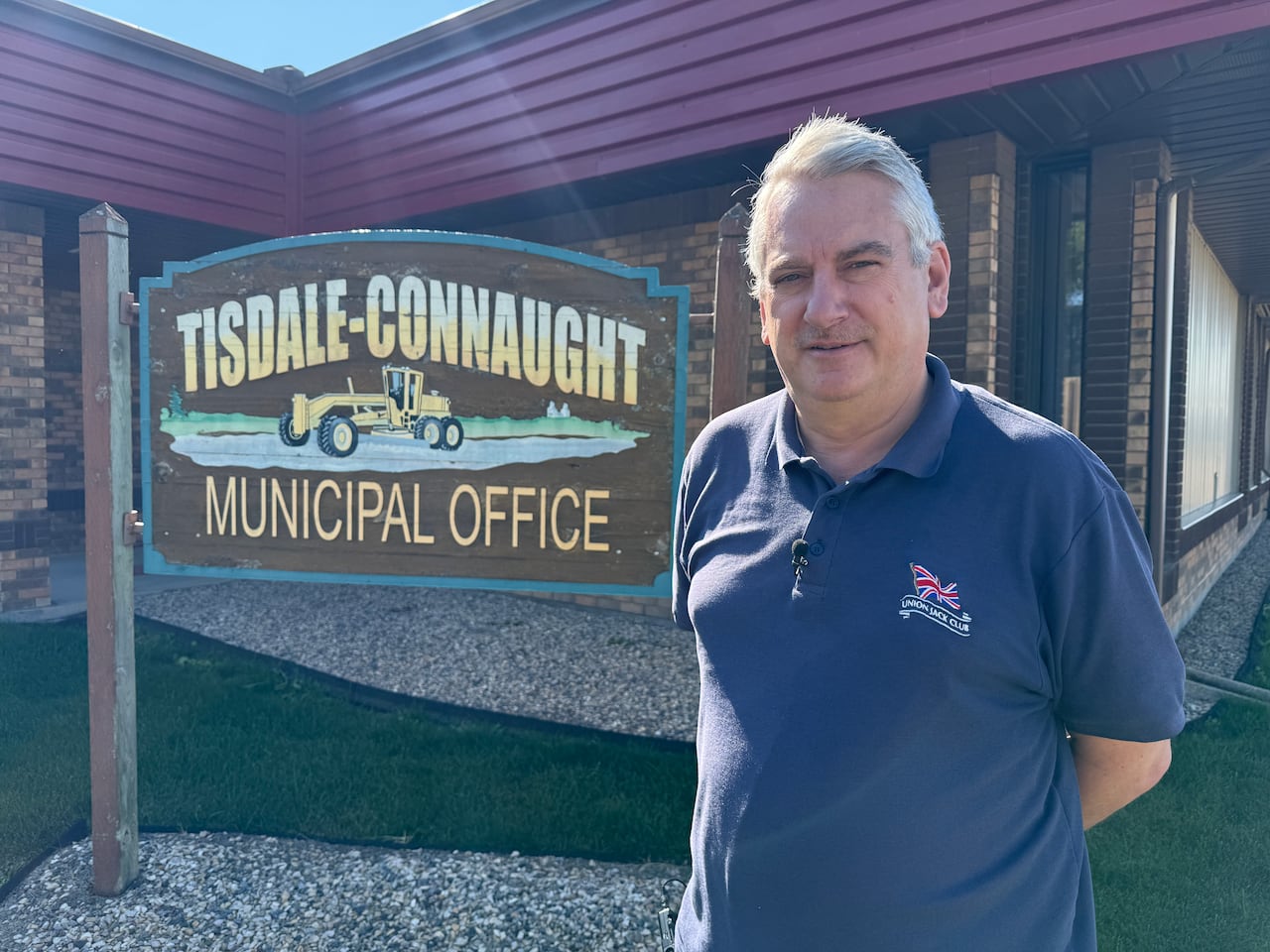
Sean Wallace, managing director of Invest Tisdale, says municipal governments plan to fully support mining and processing operations. (Lisa Risom/CBC)
Economic benefits
Tisdale Mayor Mike Hill expressed that the discovery of critical metals has generated positive excitement within the business communities of Melfort, Nipawin, and Tisdale.
“The initial investment has sparked enthusiasm and excitement among everyone — the knowledge that these minerals are located in our backyard,” Hill remarked.
He foresees economic benefits stemming from exploration and mining activities in the region. The town also provides tax incentives for both residential and commercial properties to encourage people to settle in the community.
“Tisdale is a lively town. We have a hospital, a police department, beautiful schools, and parks, and we’re close to the lakes,” Hill noted.
So far, CEM has acquired the former Westeel Grain Bins site and buildings within Tisdale’s industrial area for a research and development center.
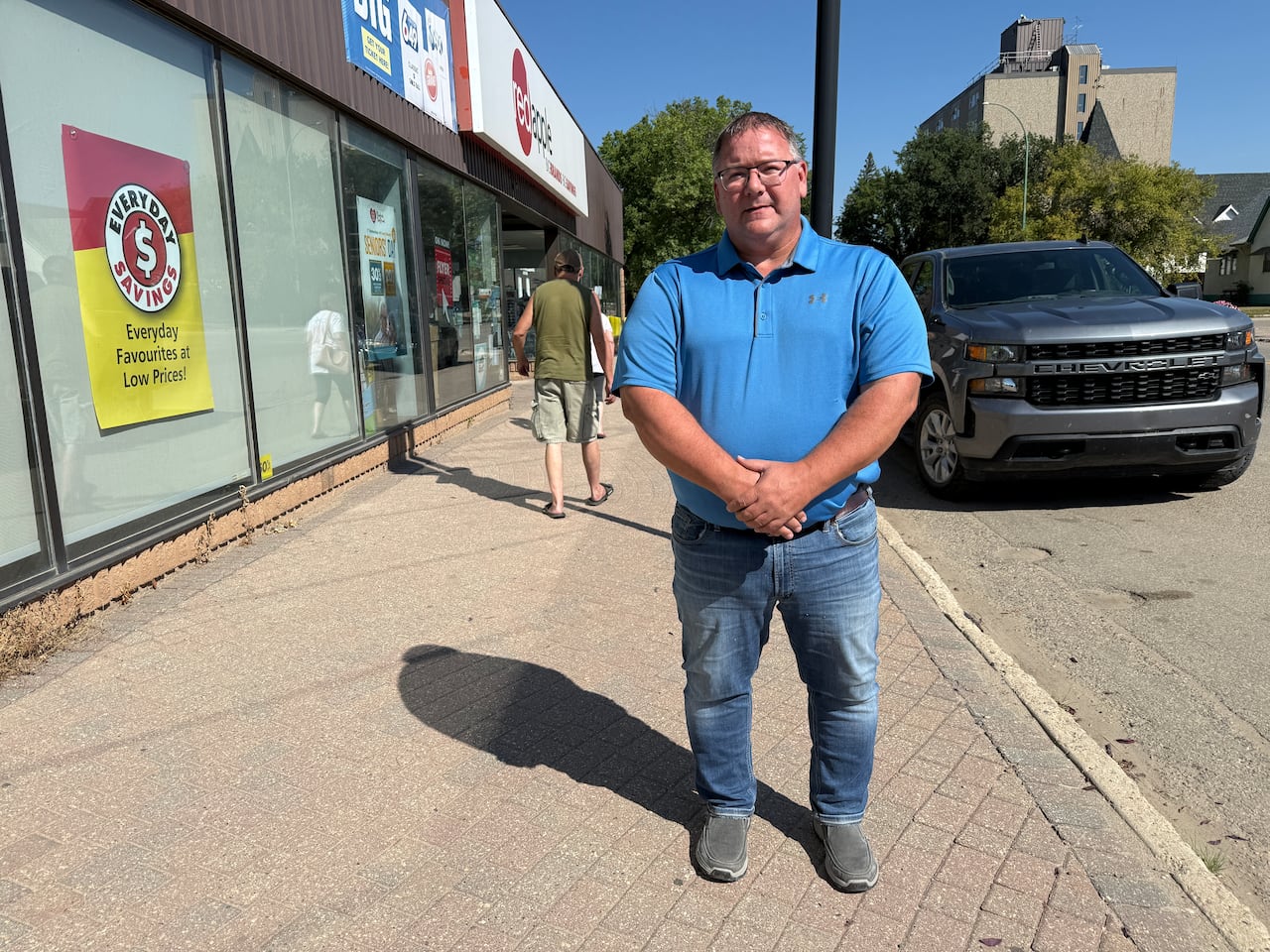
Tisdale Mayor Mike Hill says the announcement of the critical metal discovery was welcome news. (Lisa Risom/CBC)
Canadian Energy Metals plans
Hopkins indicated that CEM intends to maintain a significant stake in the Thor Project and seeks to collaborate with a major industrial alumina company.
CEM is currently engaging with international banks and investment firms to aid in financial and strategic planning.
The long-term vision of the company is to establish a fully integrated aluminum industry in Saskatchewan, encompassing mining to metal production, as stated by Hopkins.
The feasibility study anticipated for next year represents the next step. An environmental impact assessment will be conducted once mining sites have been determined, he added.
CEM has secured 21 mineral claims covering approximately 322 square kilometers, as reported by the Saskatchewan Ministry of Energy Resources. Overall, the Thor Project encompasses mineral exploration rights in Saskatchewan totaling 287,873 hectares.
“The ongoing efforts at the Thor Project will be crucial in assessing the viability of the alumina resource and its potential,” the ministry stated.
The province has supported the Thor Project through its Targeted Minerals Exploration Incentive but does not hold any stake in it, according to the ministry.
There are no reserve lands within the Thor Project area, but CEM has engaged with six First Nations that have ancestral connections to the region.
The North East Tribal Energy Resource Alliance includes Fishing Lake First Nation, James Smith Cree First Nation, Kinistin Salteaux Nation, Yellow Quill First Nation, Muskoday First Nation, and Red Earth Cree Nation.
A CEM spokesperson informed CBC News that the company plans to release additional information about the Thor Project in early September.

