
During a press event in May, Telus’s former CEO Darren Entwistle made an audacious forecast regarding two AI data centres set to be developed in Vancouver.
With a smile, he proclaimed, “They’re going to be sexy as hell,” while announcing a collaboration with developer Westbank Corp.
However, the situation has since turned out to be more of a brief encounter.
This week, the telecom behemoth confirmed its withdrawal from both initiatives.
“Telus has opted not to move forward with the co-development of the two previously disclosed Vancouver data centres alongside Westbank,” stated a company representative, who added that the focus would now shift to enhancing an existing data centre located in Kamloops, B.C.
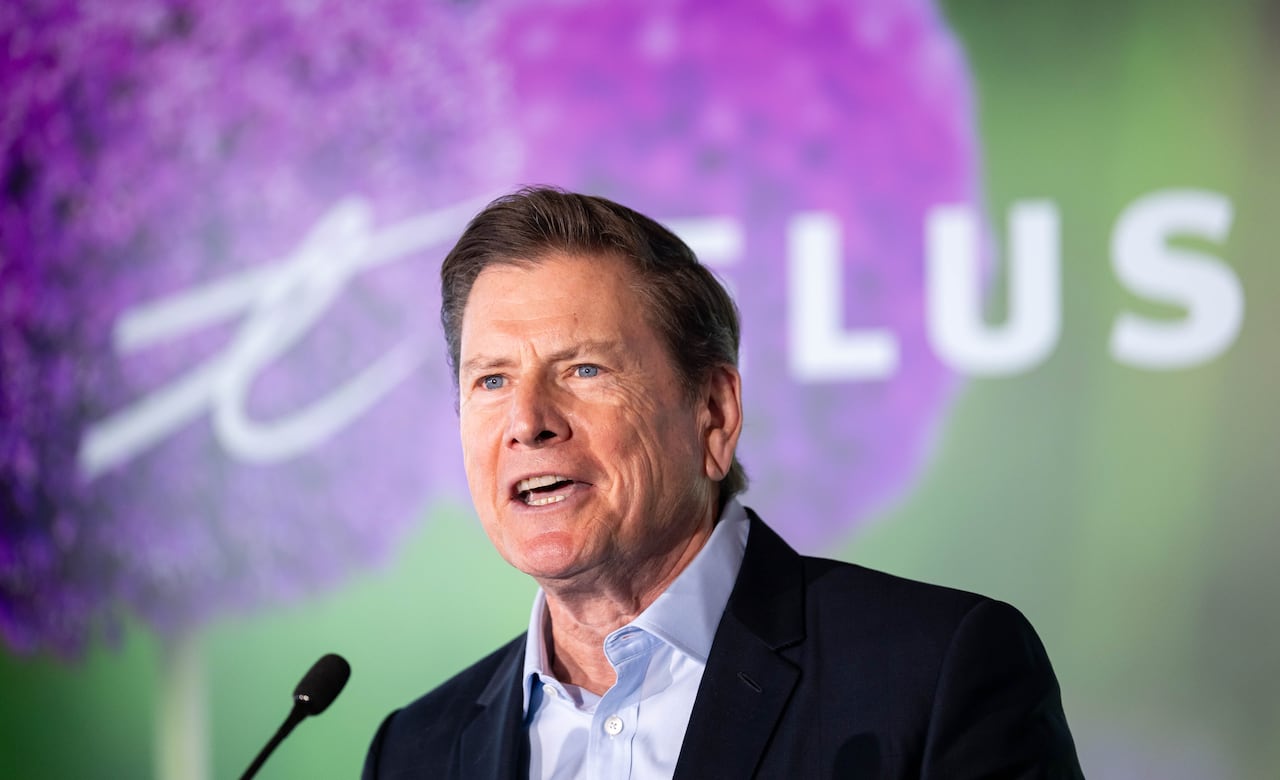
Former TELUS CEO Darren Entwistle, addressing an audience in Vancouver in May, referred to the new AI data centres as ‘sexy as hell.’ (Ethan Cairns/CBC)
Westbank, on the other hand, seems unperturbed by the news.
A spokesperson confirmed in a statement that a new partnership has already been secured.
“We are moving forward with the projects as planned, and a new collaboration will be revealed in the upcoming months,” the company indicated.

The first centre, located in an office building that previously served as the headquarters for Hootsuite in the Mount Pleasant area, was expected to launch by the year’s end.
The second site, situated on West Georgia Street in downtown, was slated for a 2029 opening.
Telus has not provided any explanation for its decision to withdraw from the projects, which has led to various speculations.
“I suspect that Telus is worried about its reputational risks,” remarked Vancouver Councillor Lucy Maloney.
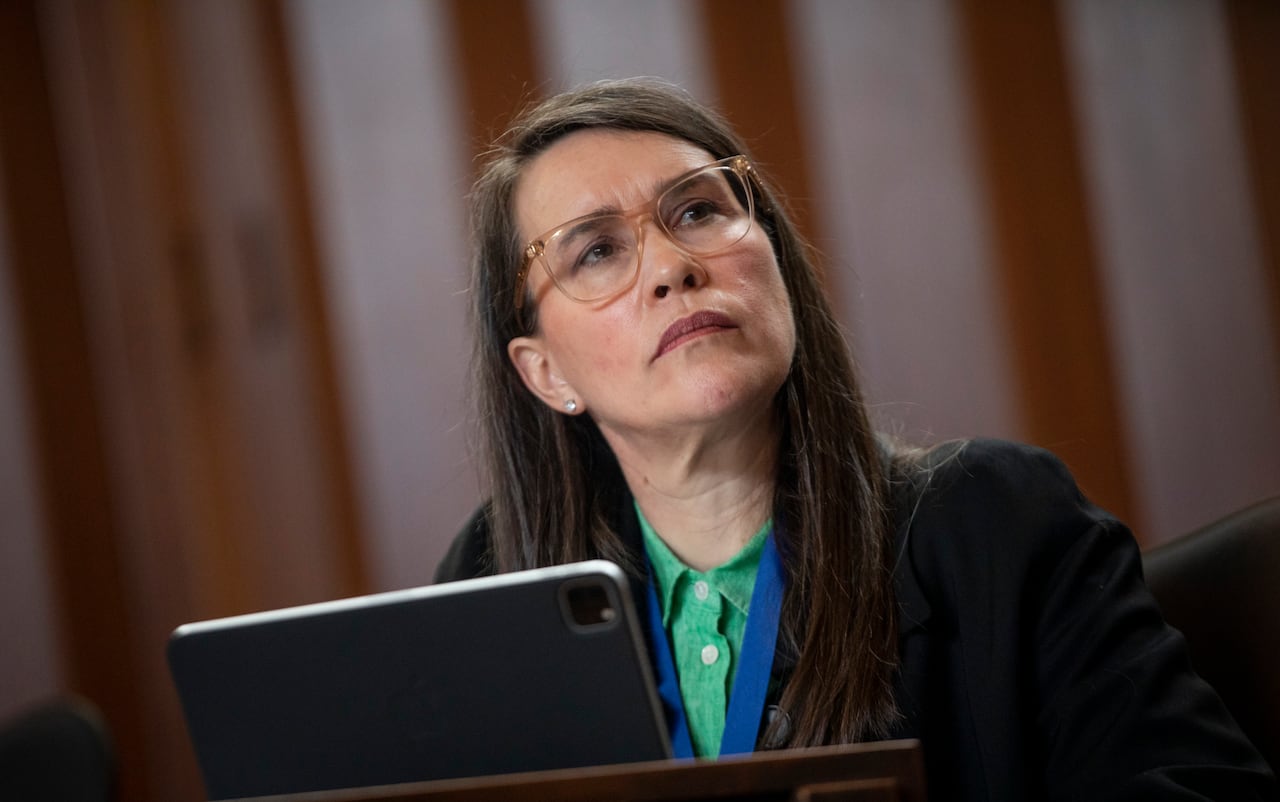
Vancouver Councillor Lucy Maloney believes Telus is concerned about its reputation. (Ben Nelms/CBC)
“I’m sure they are evaluating the return on investment against the challenges posed by public concerns regarding AI.”
The newly elected council in Vancouver is preparing to review and discuss a motion from Maloney aimed at tightening the approval processes for AI data centres during a meeting this week.
“All I am asking the staff to do is to assist in recommending a suitable and thorough regulatory framework that will provide us with the necessary information to assess rezoning applications for AI data centres,” she stated.
“This is essential since we understand that AI data centres can have significant impacts compared to other industrial and commercial uses.”
The motion did not gain support when it was introduced to the previous council, but Maloney is optimistic that the newly elected members in October will be more amenable.
“I am anticipating greater success,” she said.
“It’s widely recognized that the Silicon Valley mantra is to move quickly and disrupt things, but that is certainly not an appropriate mindset for any governing body or regulatory agency.”
‘A lot of uncertainty’
The grassroots protest group No AI Vancouver has been pivotal in organizing resistance to the data centres, claiming they are inadequately regulated and being hastily approved without sufficient community engagement.
The group organized several protest events throughout the city in 2026, with some drawing hundreds of demonstrators.
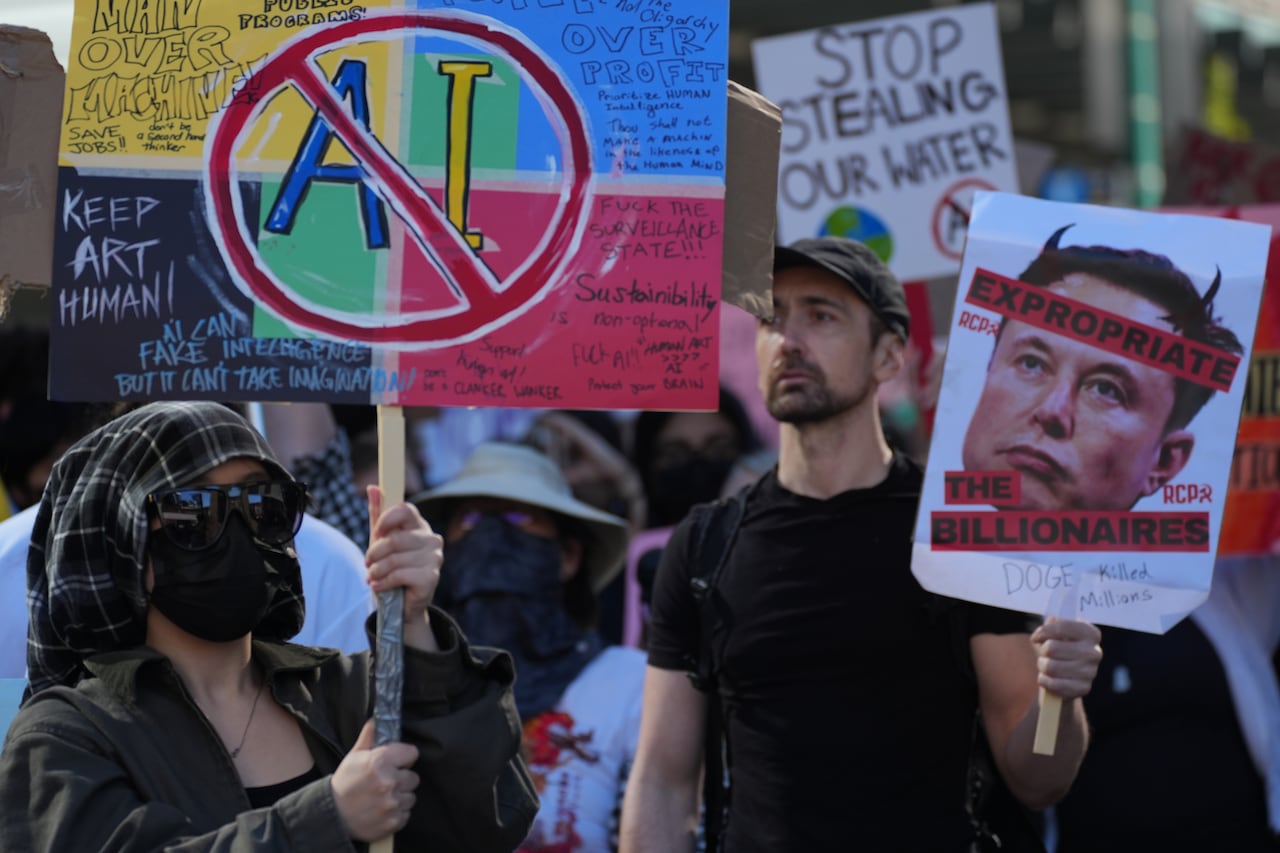
Hundreds have marched in Vancouver this year to protest the proposed AI data centres. (Avery Woods/CBC)
Organizer Guerric Haché believes that the public’s backlash is also shaping the decisions of companies like Telus.
“You witnessed numerous protests on the streets, and people were writing letters. There were stickers all over the city,” he noted.
“There is substantial resistance to AI, and it seems to be growing. Additionally, there are rising concerns about the market’s stability—whether it’s a bubble and if it might collapse. There’s a considerable amount of uncertainty.”
This uncertainty also affects Telus.
Quebecor, based in Montreal, has presented a $31-billion acquisition proposal, which would result in a company with a market capitalization exceeding that of competitors Rogers and Bell.
Telus has stated that it is currently assessing the proposal, which will also undergo scrutiny by the Competition Bureau and the Canadian Radio-television and Telecommunications Commission.

