
The Challenges of Downsizing and Finding New Homes for Sentimental Items

Susan Masi faced the challenge of downsizing her possessions when she sold her Surrey, B.C., townhouse to move in with her son and grandchildren earlier this year. Letting go of items with sentimental value, such as the China cabinet from her mother and a 126-year-old mahogany dining table passed down from her great-grandmother, was a tough decision for the 79-year-old widow.
Masi had to part ways with a significant amount of furniture, dinnerware, and knickknacks. Moving into a modern house with young children, she expressed how difficult it was to adapt to a smaller space and a different lifestyle.
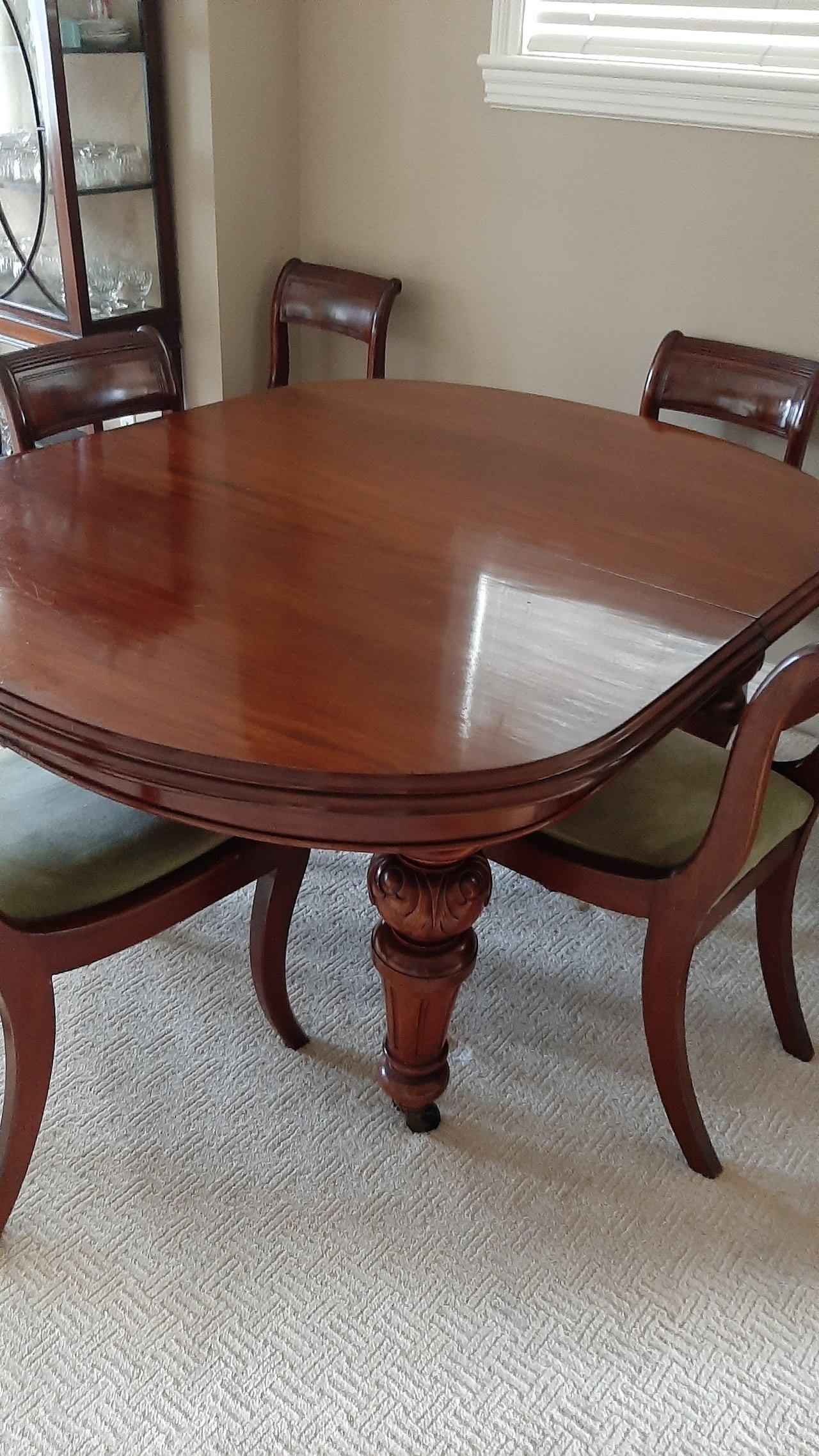
According to June Cotte, a marketing professor at Western University, letting go of cherished possessions can feel like losing a part of one’s identity. As Canada’s aging population grows, more individuals may face similar challenges. Statistics Canada projects that by 2030, one in four Canadians will be 65 or older, with a notable percentage planning to downsize their living spaces in the next decade, as indicated by a recent RE/MAX survey.
Cotte noted that people often struggle to find suitable recipients for their possessions, delaying the decision to part with them until it becomes too late. To address this challenge, some individuals seek assistance from professionals to facilitate the downsizing process.
Seeking Professional Assistance
For Susan Masi, enlisting the help of Estate Sales by Christine Caroline, a Vancouver-based company specializing in downsizing services, was a crucial step in managing her belongings. Working with the company’s founder, Christine Valk, Masi navigated the process of determining which items could be auctioned, discarded, recycled, or donated, ensuring a thoughtful approach to downsizing.
Cotte emphasized the importance of having a clear downsizing strategy, particularly for larger items, recommending that individuals begin decluttering while they are still able to make decisions about their possessions.

